“Medication for PTSD in Pennsylvania” is a frequently searched topic among patients seeking to better understand available treatment options, ways to manage symptoms, and strategies for long-term care. The most appropriate approach varies based on factors such as symptom severity, personal medical history, and how an individual responds to different medications and therapeutic interventions.
Post-Traumatic Stress Disorder (PTSD) is a mental health condition that can develop after experiencing or witnessing a traumatic event. Common symptoms may include anxiety, intrusive memories or flashbacks, nightmares, heightened alertness, and changes in mood or behavior. Treatment often involves a combination of psychotherapy and, in many cases, medication.
For individuals in Pennsylvania researching treatment options, gaining a clear understanding of available choices for medication for PTSD can help facilitate more productive conversations with licensed healthcare providers and support more informed, personalized treatment decisions. Some patients also compare options and costs, including whether obtaining a Cheap MMJ Card may fit within their budget and treatment goals when medically appropriate.
“Medication for PTSD in Pennsylvania” is a frequently searched topic among patients seeking to better understand available treatment options, ways to manage symptoms, and strategies for long-term care. The most appropriate approach varies based on factors such as symptom severity, personal medical history, and how an individual responds to different medications and therapeutic interventions.
Post-Traumatic Stress Disorder (PTSD) is a mental health condition that can develop after experiencing or witnessing a traumatic event. Common symptoms may include anxiety, intrusive memories or flashbacks, nightmares, heightened alertness, and changes in mood or behavior. Treatment often involves a combination of psychotherapy and, in many cases, medication.
For individuals in Pennsylvania researching treatment options, gaining a clear understanding of available choices for medication for PTSD can help facilitate more productive conversations with licensed healthcare providers and support more informed, personalized treatment decisions. Some patients also compare options and costs, including whether obtaining a Cheap MMJ Card may fit within their budget and treatment goals when medically appropriate.
When discussing medication for PTSD in Pennsylvania, it generally refers to prescribed treatments used to help manage symptoms associated with PTSD. These medications do not cure PTSD but can significantly reduce the intensity of symptoms and improve daily functioning. In some cases, individuals may also explore supplemental options such as a Cheap MMJ Card to access medical cannabis where permitted under state law.
Common categories of medications include:
These medications work by influencing brain chemistry, particularly neurotransmitters involved in mood regulation, fear response, and stress. Access considerations, including affordability and eligibility for programs like a Cheap MMJ Card, may also play a role in how patients approach their treatment journey.
Evaluating medication for PTSD in Pennsylvania typically involves a clinical assessment by a licensed physician or mental health professional. Some individuals also inquire about a Cheap MMJ Card during this process if they are considering medical cannabis as part of a broader care plan. Medication may be considered if a patient experiences:
A provider will review medical history, symptom patterns, and any co-existing conditions before recommending a treatment plan. Discussions may also include whether adjunct options or programs like a Cheap MMJ Card are appropriate based on individual needs and state regulations.
For individuals considering medication for PTSD in Pennsylvania, medications are often used as part of a broader treatment strategy. When appropriately prescribed, they may help:
In some cases, patients may also evaluate complementary options such as obtaining a Cheap MMJ Card where applicable, as part of a comprehensive and supervised care approach. It’s important that any medication or alternative treatment is taken under the supervision of a licensed provider, as responses can vary from person to person.
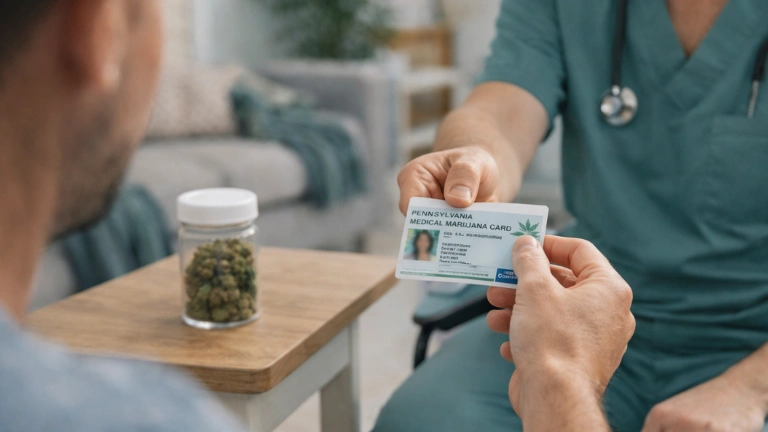
Some patients exploring medication for PTSD in Pennsylvania also consider medical cannabis as part of their symptom management plan where legally permitted. For those who qualify, obtaining a Cheap MMJ Card can be a step toward accessing medical cannabis through regulated channels. While research is ongoing, some individuals report benefits such as:
Medical cannabis should only be used in compliance with Pennsylvania state regulations and under the guidance of a qualified healthcare professional. Patients can consult the Pennsylvania Medical Marijuana Program for official guidelines and eligibility requirements. A Cheap MMJ Card may help streamline access for those who meet qualifying conditions and complete the proper certification process.
If you are exploring medication for PTSD in Pennsylvania, the process typically begins with a consultation. Many individuals also ask about obtaining a Cheap MMJ Card during this stage if they are considering medical cannabis as part of their care plan. The process generally includes:
Licensed providers can help determine whether medication, therapy, or a combination approach is most appropriate. In some cases, they may also advise whether pursuing a Cheap MMJ Card is suitable based on your condition and eligibility.
Patients researching medication for PTSD in Pennsylvania often choose professional evaluation services because they offer:
Some patients also look for cost-conscious options such as a Cheap MMJ Card when considering medical cannabis as part of their overall plan. In addition to medication management, patients may benefit from therapy approaches such as cognitive behavioral therapy (CBT), EMDR, and other trauma-informed treatments.
Understanding medication for PTSD in Pennsylvania is an important step for individuals seeking effective ways to manage symptoms and improve quality of life. While medication is not a cure, it can play a significant role in reducing symptoms and supporting overall mental health when combined with therapy and professional care.
For Pennsylvania residents experiencing PTSD symptoms, consulting a licensed provider can help determine the most appropriate treatment plan. With proper guidance, patients can explore medication options and other supportive therapies tailored to their needs, helping them move toward stability and improved well-being.
Selective serotonin reuptake inhibitors (SSRIs) are among the most commonly prescribed medications for PTSD.
Yes, some individuals manage PTSD through therapy alone, though others benefit from combining therapy with medication.
Many medications take several weeks to show noticeable effects, and ongoing adjustments may be needed.
No. It is not considered a replacement but may be used as part of a broader treatment plan under medical supervision where legally allowed.
Yes, a formal evaluation by a licensed professional is typically required before starting treatment.