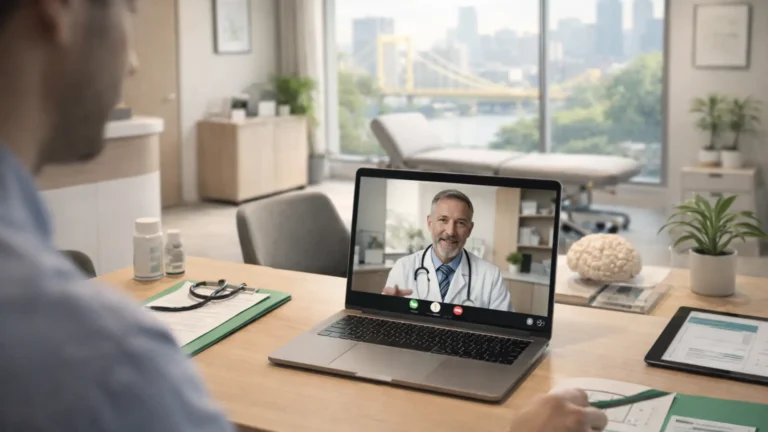
A Medical Marijuana Card in Pittsburgh opens the door for eligible Pennsylvania residents to legally access medical cannabis through the state’s regulated program, offering a structured and medically supervised option for patients dealing with conditions like chronic pain, anxiety, PTSD, and more.
What makes Pennsylvania’s program especially important is that it’s not just about access—it’s about oversight. Every patient must be evaluated by a state-registered physician, ensuring that medical cannabis is recommended based on real clinical need rather than guesswork. And with telehealth now widely available, the entire process has become significantly more convenient for Pittsburgh residents who want a faster, more modern way to get evaluated.
This guide breaks down how the system works, who qualifies, and how you can move through the process step by step without unnecessary confusion.
A Medical Marijuana Card in Pittsburgh opens the door for eligible Pennsylvania residents to legally access medical cannabis through the state’s regulated program, offering a structured and medically supervised option for patients dealing with conditions like chronic pain, anxiety, PTSD, and more.
What makes Pennsylvania’s program especially important is that it’s not just about access—it’s about oversight. Every patient must be evaluated by a state-registered physician, ensuring that medical cannabis is recommended based on real clinical need rather than guesswork. And with telehealth now widely available, the entire process has become significantly more convenient for Pittsburgh residents who want a faster, more modern way to get evaluated.
This guide breaks down how the system works, who qualifies, and how you can move through the process step by step without unnecessary confusion.
A Medical Marijuana Card in Pittsburgh is available only to patients who meet Pennsylvania’s eligibility requirements and receive approval from a registered physician.
To qualify, patients must:
Common qualifying conditions include:
It’s important to understand that qualification is not automatic for a Medical Marijuana Card in Pittsburgh. Each case is evaluated individually by a physician who determines whether medical cannabis is appropriate for the patient’s condition and medical history.
For broader health context on cannabis research and safety, reputable sources such as the National Institutes of Health provide ongoing studies and findings.
Patients who obtain a Medical Marijuana Card in Pittsburgh gain access to a regulated system designed to prioritize safety, consistency, and medical oversight.
Potential benefits include:
For many patients, medical cannabis is not a standalone solution but part of a broader treatment plan guided by their healthcare provider. Safety information and public health considerations are also supported by organizations such as the CDC.
Patients begin by creating an account with the Pennsylvania Medical Marijuana Program.
Next, patients complete a telehealth or in-person evaluation with a certified physician who determines eligibility. You can book your appointment here.
If approved, the physician submits your certification directly into the state system.
After certification, patients complete their state application and receive their Medical Marijuana Card in Pittsburgh by mail.
Once approved, patients can legally purchase products from licensed dispensaries across Pennsylvania.
Many residents pursuing a Medical Marijuana Card in Pittsburgh choose Cheap MMJ Cards because the process is designed to be efficient, accessible, and patient-focused.
Key advantages include:
This approach is especially helpful for patients managing chronic conditions who may have difficulty attending in-person visits.
Additional educational resources can be found here.
Once certified and registered, state processing typically takes a few business days after payment is completed.
Yes. Most patients complete their physician evaluation through secure telehealth services, making the process fully remote.
Pennsylvania recognizes conditions such as chronic pain, PTSD, cancer, epilepsy, and neurological disorders, among others.
They are not always required, but they can help support your physician evaluation.
Yes. Renewals are typically handled through follow-up physician evaluations via telehealth.